
Healthy Pet Meal Guides, Feeding Charts & Food Calculators
Simple, clear, and safe food guidance for dogs, cats, birds, reptiles, and fish. Built for pet owners who want better meals and better care through accurate calculators and expert diet plans.
Smart Pet Food Calculators
Take the guesswork out of pet nutrition. Use our highly accurate calorie requirements and growth predictors to ensure your pet gets exactly what they need.
🐕 Dog Food & Health Tools
Calculate exactly how much to feed based on breed, age, and weight.
🐈 Cat Feeding & Growth Tools
Find out exact cat calorie requirements and feline growth predictions.
🦎 Reptile & Specialty Pets
Get precise feeding schedules, insect counts, and health tracking.
Choose Your Pet’s Nutrition Guide

Dogs
Homemade dog food recipes & feeding charts.
View Dog Meals
Cats
Nutrition tips & safe food guides for cats.
View Cat Meals
Small Pets
Rabbits, Guinea Pigs, Hamsters & Ferrets.
View Small Pet Meals
Birds
Parrot feeding guides, seeds & fresh foods.
View Bird Nutrition
Reptiles
Turtles, Lizards & Snake feeding schedules.
View Reptile Meals
Fish
Freshwater & Saltwater aquarium feeding.
View Fish FeedingPet Nutrition Basics & Guidelines
Expert Veterinary Insights & Clinical Diets
Scientifically-backed solutions for specialized pet diets, digestive issues, and unique species requirements.
🐶 Clinical Dog Diets & Feline Nursing
- What to feed a dog with diarrhea? The standard veterinary approach is fasting for 12-24 hours, followed by a bland diet of boiled, skinless white chicken breast mixed with plain white rice. Read our full recovery guide.
- What to feed a dog with kidney failure who will not eat? Palatability drops significantly during renal failure. Try enhancing their prescription low-phosphorus food with warm water, low-sodium chicken broth, or a drizzle of omega-3 fish oil to stimulate their appetite.
- What cat eat after giving birth? Nursing mothers need a massive increase in energy. Transition her to a premium kitten formula, which is dense in the calories, calcium, and fats needed for healthy lactation.
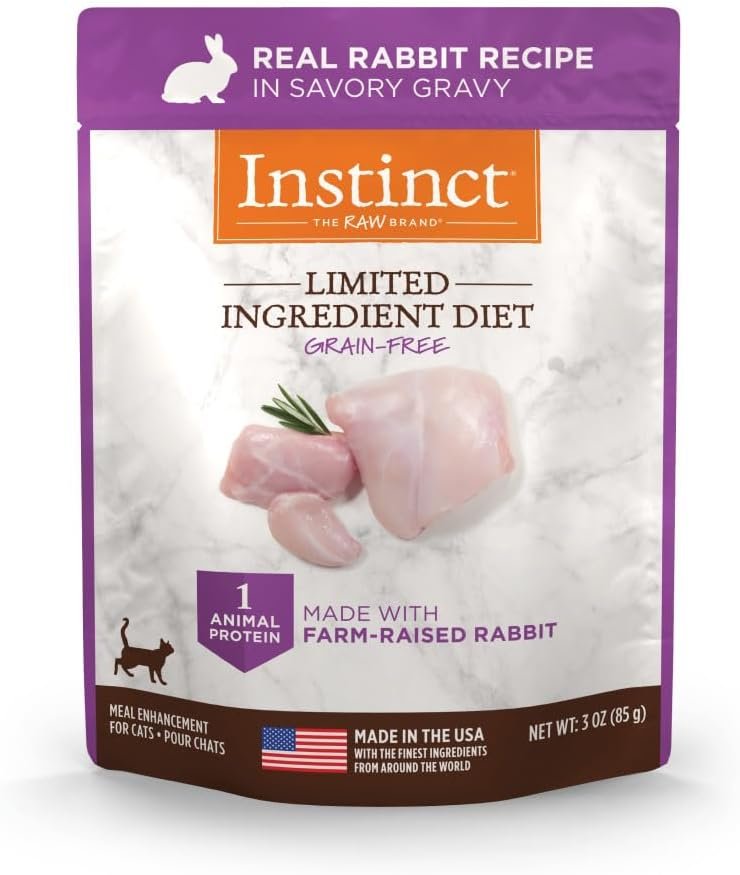
- What to feed cat with sensitive stomach? Look for limited-ingredient diets containing novel proteins (like duck or rabbit) or hydrolyzed proteins that bypass immune triggers, combined with highly digestible fibers.
🐢 Reptile, Lizard & Turtle Diets
- What do lizards eat and drink? & What fruits do lizards eat? Omnivorous lizards thrive on insects (crickets/roaches), leafy greens (collard, mustard), and safe fruits like papaya, melon, and berries as treats. They drink from shallow dishes or by licking misted droplets.
- What do turtles eat and drink? & What can turtles eat from human food? Turtles drink fresh water. From the kitchen, they can safely eat dark leafy greens (kale, romaine), shredded carrots, squash, and occasional bits of plain boiled chicken.
- What to feed a snapping turtle hatchling? Hatchlings are heavily carnivorous. Provide bloodworms, small minnows, specialized hatchling pellets, and earthworms.
- What vegetables can red eared sliders eat? Excellent staples include dandelion greens, romaine lettuce, turnip greens, and aquatic plants like duckweed. Avoid spinach completely.
- What to feed a snake pet? Depending on size and species, frozen-thawed rodents (pinkies, fuzzies, mice, or rats) are the safest, most nutritionally complete staple. View our Snake Prey Size Chart.
Medication & Food Safety
Understanding when food affects medication is crucial. We provide basic guides on administering pet medication with food and identifying common food-related health issues.
View Medication Tools
Disclaimer: PetMealGuide is for informational purposes only. We are not veterinarians. Always consult your vet before changing your pet’s diet or medication.
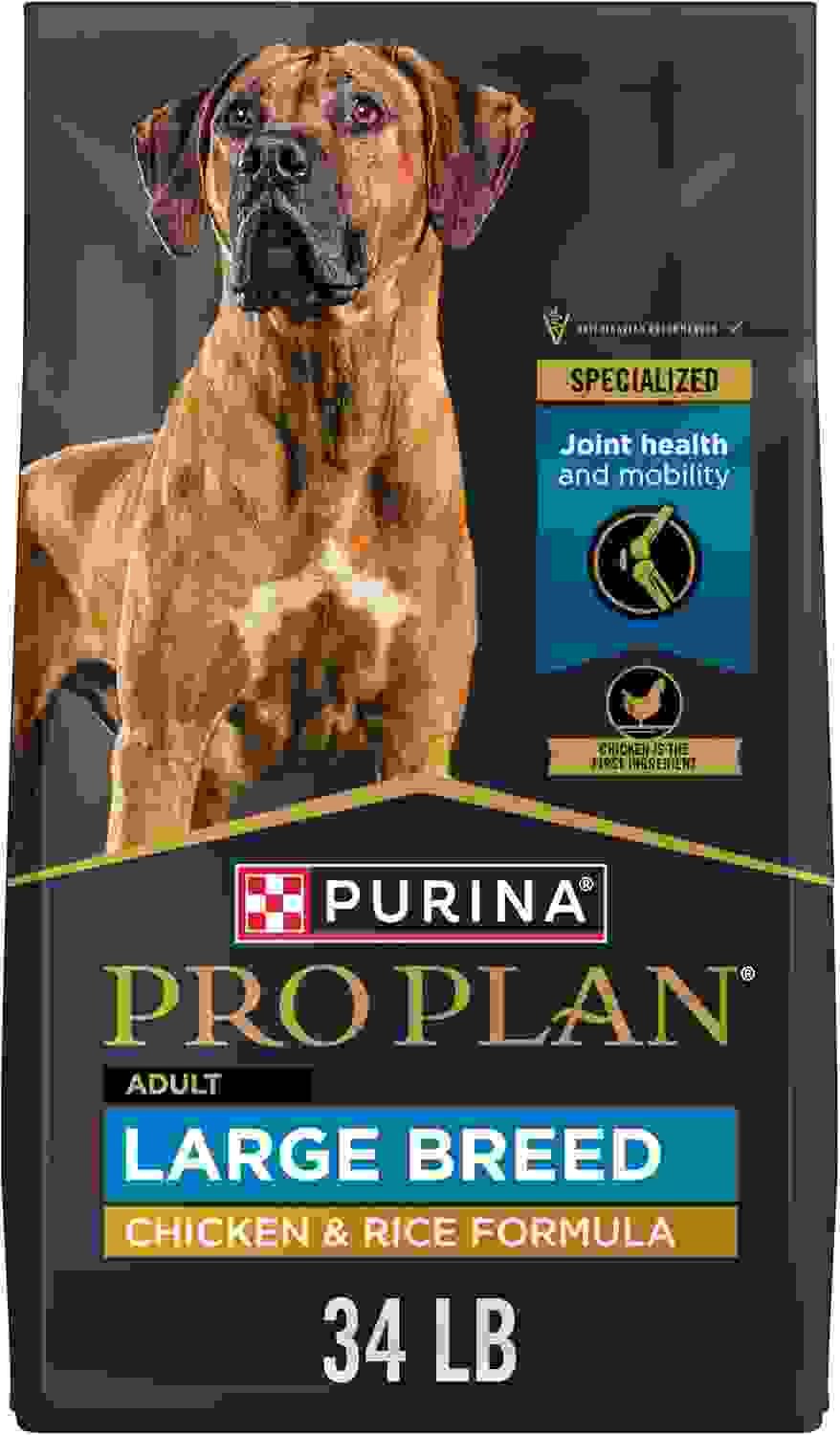
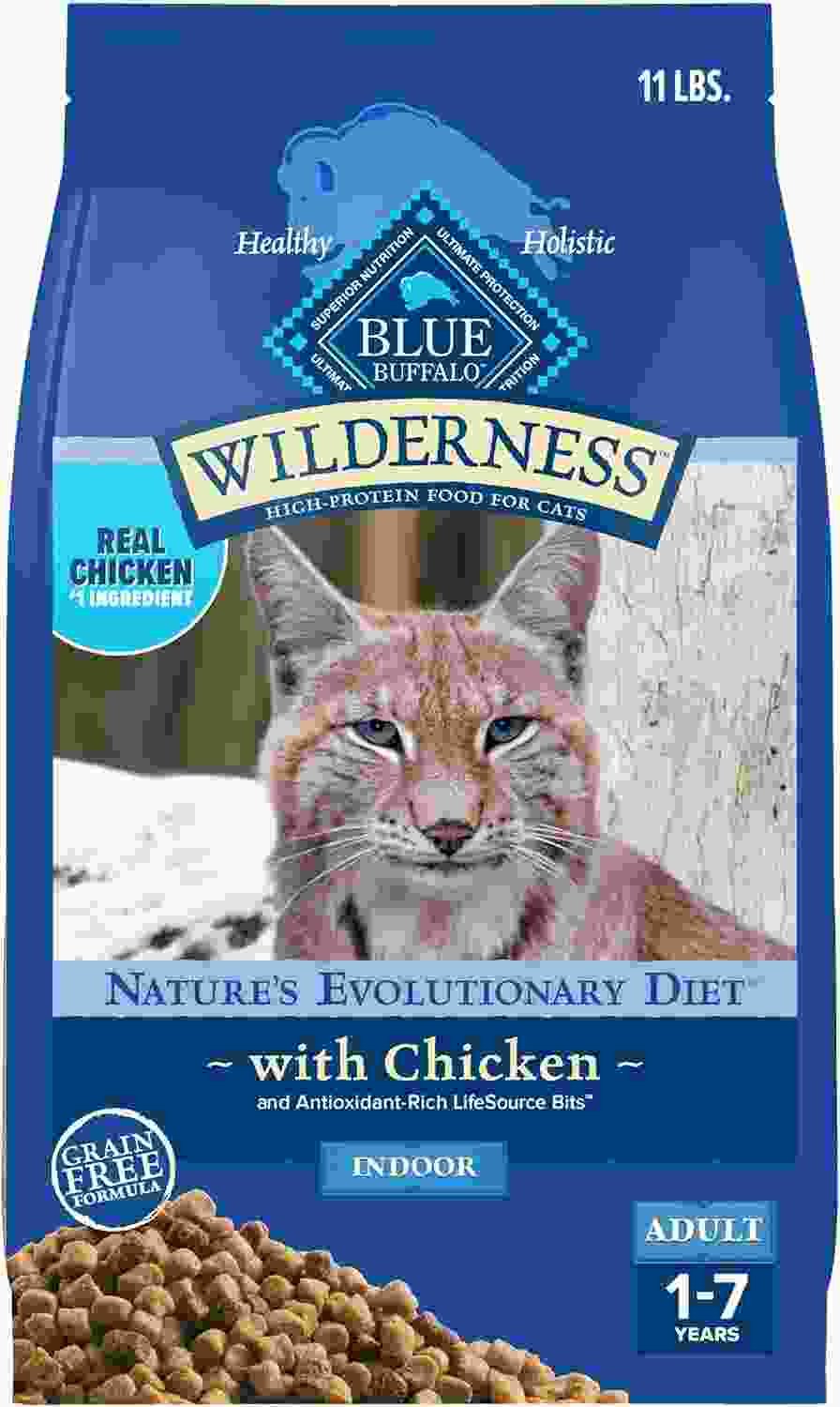
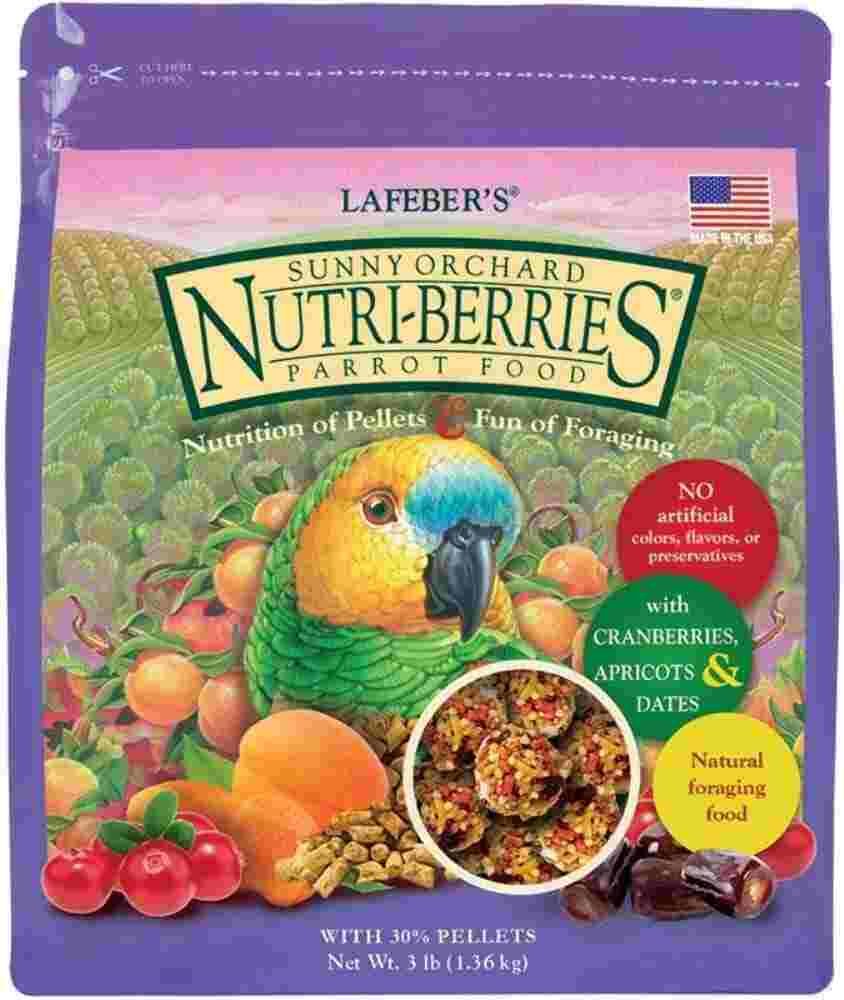
Recommended Pet Food
Frequently Asked Questions
Leopard geckos are strict insectivores. They eat gut-loaded live insects like crickets, mealworms, and dubia roaches dusted with calcium. Babies eat daily, juveniles every other day, and adults every 2-3 days.
Reptile diets vary drastically by species. Snakes are carnivorous (eating rodents), many lizards and geckos are insectivorous (eating crickets and worms), and tortoises are herbivorous (eating grasses and dark greens). Always verify your specific pet’s needs before feeding.
You can use our specific cat calorie requirements tool. As a general rule, an indoor adult cat requires roughly 20 calories per pound of body weight daily to maintain their current weight.
Yes. A dog food calculator by weight determines the Resting Energy Requirement (RER) using the formula: 70 x (body weight in kg)^0.75, which is then adjusted based on the dog’s activity level and life stage.
Why Trust PetMealGuide?
- ✔ Easy-to-follow pet meal guides tailored for pet owners worldwide.
- ✔ Clear feeding charts organized by weight, age, and breed.
- ✔ Focused on Pet-safe food information and toxicity warnings.
- ✔ Regularly updated calculators based on nutritional research.

About the Creator
Hi, I’m Muhammad Inzamam Ul Haq, the creator of PetMealGuide.
I built this website to help pet owners understand what to feed their pets safely and confidently. PetMealGuide focuses on clear food guidance, feeding schedules, and nutrition tips that are easy to follow and based on trusted research.